Best Cooking Oils for Daily Use and Healthy Living
Introduction
Cooking oil is one of the most important ingredients in daily meals because it is used in almost every dish, from simple frying to complex curries and baked foods. Since oil is consumed regularly, its type and quality can directly affect long-term health, especially heart health, cholesterol levels, and body weight. Many people choose oil based on price or taste, but the healthier approach is to understand which oil suits everyday cooking and how different oils behave under heat. A balanced use of oils is often more beneficial than relying on just one type.
Importance of Choosing the Right Oil
The human body needs fats for energy, hormone production, brain function, and absorption of fat-soluble vitamins such as A, D, E, and K. However, not all fats are the same. Some fats are beneficial for the heart, while others can increase cholesterol if consumed in excess. Cooking oil becomes harmful not because of its existence but because of excessive use, overheating, or choosing the wrong type for daily cooking. Therefore, selecting the right oil is essential for maintaining good health over time.
Olive Oil and Its Health Benefits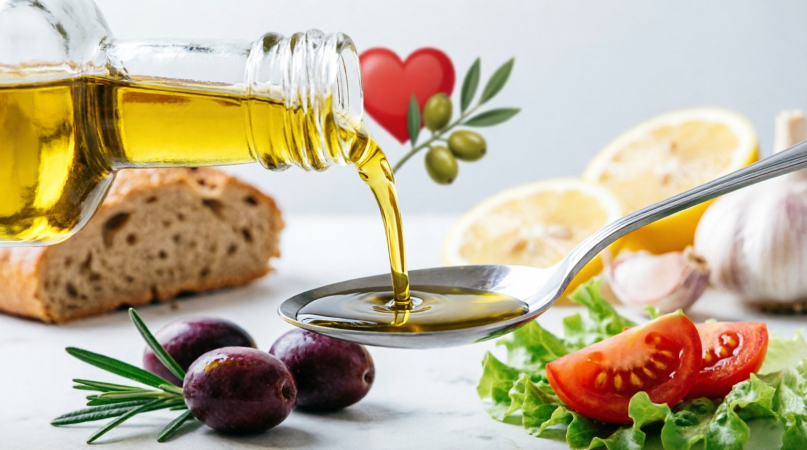
Olive oil is considered one of the healthiest oils in the world, especially extra virgin olive oil. It is extracted from olives using a natural cold-press process that helps retain antioxidants and nutrients. It is rich in monounsaturated fats, which are known to support heart health by reducing bad cholesterol and increasing good cholesterol.
Olive oil also contains natural antioxidants called polyphenols, which help reduce inflammation in the body and may lower the risk of chronic diseases such as heart disease and diabetes. It is especially useful for people who prefer a heart-friendly diet or are trying to improve cholesterol levels.
However, olive oil is not suitable for all types of cooking. It works best for salads, dressings, and low to medium heat cooking. When exposed to very high temperatures, it can lose some of its beneficial properties. For this reason, it is not commonly used for deep frying.
Coconut Oil in Daily Cooking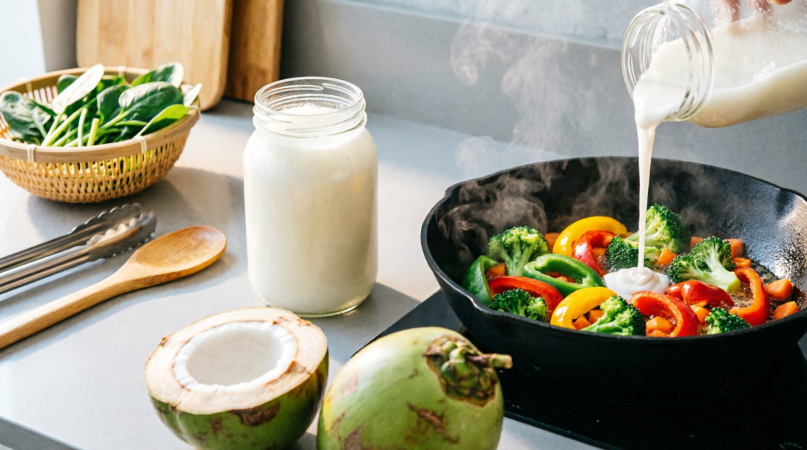
Coconut oil is widely used in tropical countries and has strong cultural importance in Sri Lankan cuisine. It contains medium-chain triglycerides, which are quickly converted into energy by the body. This makes coconut oil a quick energy source and suitable for active lifestyles.
One of its major advantages is its high smoke point, which means it can withstand high temperatures without breaking down easily. This makes it ideal for frying, roasting, and preparing traditional curries. It also enhances the flavor of food, giving dishes a rich and distinctive taste.
Despite its benefits, coconut oil is high in saturated fat. Excessive consumption of saturated fat may increase LDL cholesterol in some individuals. Therefore, it is best used in moderation rather than as the only cooking oil for every meal.
Sunflower Oil as a Common Household Option
Sunflower oil is one of the most widely used cooking oils due to its availability and mild flavor. It has a neutral taste, which makes it suitable for a variety of dishes where the oil should not overpower the food’s natural flavor.
It is rich in polyunsaturated fats, especially omega-6 fatty acids, which are essential for the body. However, balance is important because too much omega-6 without enough omega-3 can lead to inflammation over time.
Sunflower oil is suitable for everyday cooking, light frying, and sautéing. It is affordable and commonly found in many households, making it a practical choice for daily use.
Rice Bran Oil and Its Nutritional Value
Rice bran oil is extracted from the outer layer of rice grains and has become increasingly popular due to its health benefits and cooking stability. It contains a balanced mix of monounsaturated and polyunsaturated fats, making it a heart-friendly option.
One of its unique components is oryzanol, a natural antioxidant that may help reduce cholesterol absorption and support cardiovascular health. Rice bran oil also has a high smoke point, which makes it ideal for deep frying and high-heat cooking.
Because of its stability and mild flavor, it is suitable for both traditional and modern cooking methods. It is often considered one of the best all-purpose oils for daily use.
Canola Oil and Heart Health
Canola oil is another commonly recommended oil for everyday cooking due to its low saturated fat content. It is derived from rapeseed and is carefully processed to make it safe for consumption.
It contains a good balance of omega-3 and omega-6 fatty acids, which supports heart health and helps reduce inflammation in the body. Its neutral taste makes it suitable for baking, sautéing, and light frying.
Canola oil is also affordable and widely available, making it a convenient choice for many households. However, like other oils, it should be used as part of a balanced diet rather than the only source of fat.
Comparing Oils for Daily Use
Each oil has its own strengths and limitations. Olive oil is best for health-focused diets and low-heat cooking. Coconut oil is excellent for traditional dishes and high-heat cooking but should be used in moderation due to its saturated fat content. Sunflower oil is practical and widely available but should be balanced with other oils to maintain fatty acid balance. Rice bran oil is one of the most balanced options for everyday cooking, especially for frying. Canola oil provides a heart-friendly alternative with a neutral taste suitable for multiple cooking methods.
Health Considerations When Choosing Oil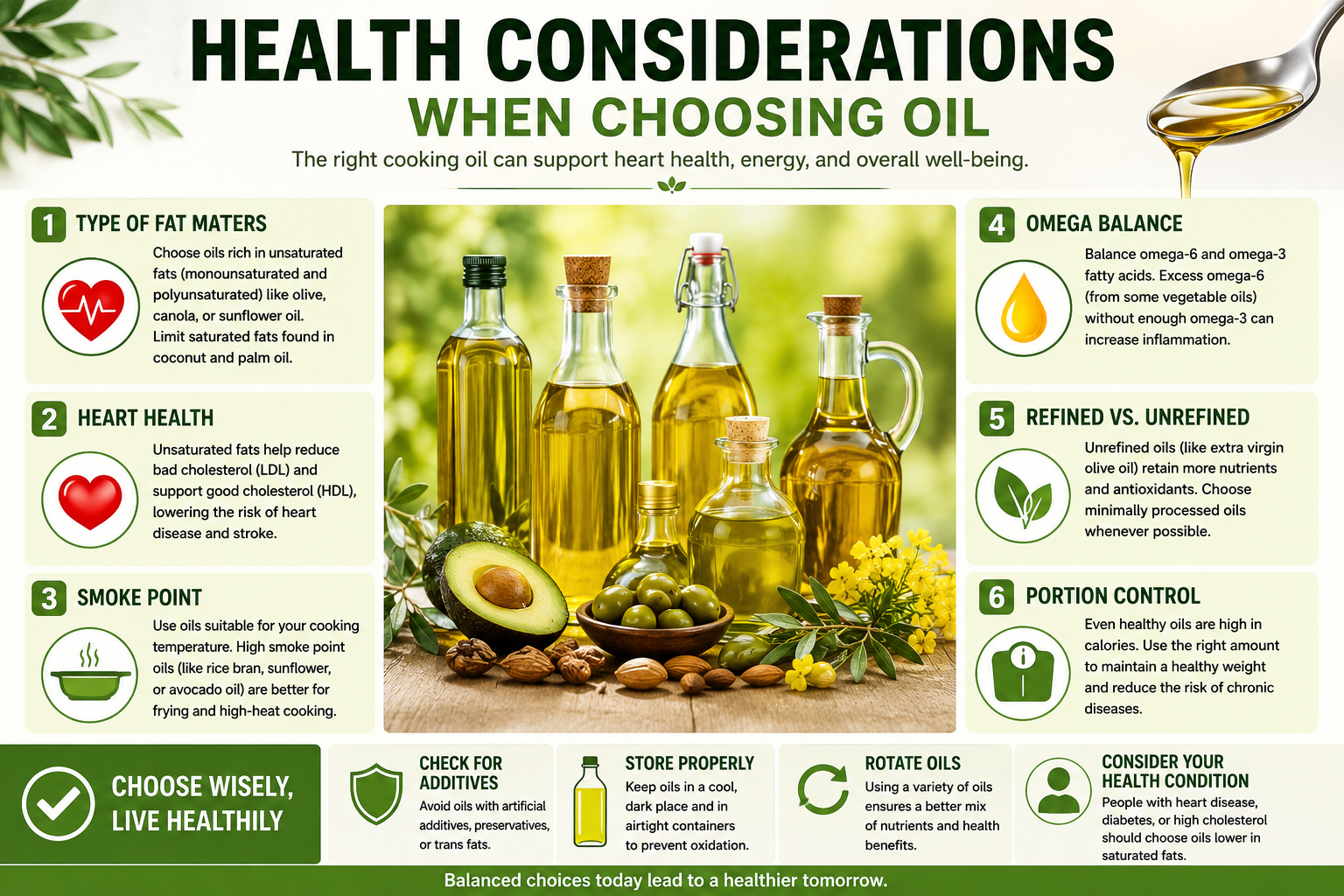
Individual health conditions play an important role in selecting cooking oil. People with heart disease, high cholesterol, or weight concerns are often advised to reduce saturated fat intake and focus more on unsaturated fats. This makes oils like olive, rice bran, and canola more suitable for regular use.
It is also important to consider cooking temperature. Oils that break down easily under high heat should not be used for frying. Using the right oil for the right cooking method helps preserve nutrients and avoid harmful compounds.
Conclusion
There is no single “perfect” cooking oil for every situation. The best approach for day-to-day cooking is to use a combination of oils based on their strengths. Olive oil is excellent for heart health and light cooking, coconut oil is ideal for traditional and high-heat dishes when used in moderation, sunflower oil offers affordability and versatility, rice bran oil provides a balanced and stable option for frying, and canola oil supports overall heart health with a neutral taste.
A healthy lifestyle is not about completely avoiding fats but about choosing them wisely and using them in moderation. By understanding the properties of each oil and using them appropriately, it is possible to improve overall health while still enjoying delicious everyday meals.