Economic Crisis in Developing Nations
Economic growth is considered the foundation of national development. Strong economies provide employment, stable prices, quality healthcare, education, infrastructure, and better living conditions. However, many developing nations continue to struggle economically despite possessing natural resources, young populations, and large labor forces.
Over the past few years, economic problems have become more serious due to global inflation, rising fuel prices, supply chain disruptions, climate related disasters, and financial instability. Millions of people now face increasing living costs, unemployment, poverty, and hunger. Governments are under pressure to repay foreign debts while trying to support public services and economic recovery.
Several key factors contribute to these economic struggles. Among the most significant are inflation, IMF loans, currency depreciation, unemployment, brain drain, and food insecurity. These problems are deeply connected and often create a cycle that becomes difficult to escape.
Inflation and the Rising Cost of Living
Inflation is one of the biggest economic challenges faced by developing nations today. Inflation occurs when the prices of goods and services increase continuously over time. While moderate inflation is normal in growing economies, extremely high inflation can damage both businesses and households.
In many developing economies, prices of food, fuel, medicine, electricity, and transportation have increased sharply. This reduces the purchasing power of ordinary people. Salaries often remain unchanged while daily expenses rise rapidly. As a result, families struggle to afford basic necessities.
Below factors contribute to inflation in developing nations,
- Increasing taxes
- Reducing government spending
- Removing subsidies
- Privatizing state-owned enterprises
- Increasing interest rates
Food inflation is particularly dangerous because poorer households spend a large portion of their income on food. When prices rise suddenly, hunger and malnutrition increase. Small businesses also suffer because production costs rise while consumers reduce spending. High inflation discourages investment and weakens confidence in the economy. Foreign investors become cautious, and local businesses find it difficult to plan for the future. This slows economic growth further.
IMF Loans and Debt Dependency
Many developing nations borrow money from international financial institutions to manage economic crises. One of the most influential organizations involved in this process is the International Monetary Fund (IMF).It provides loans to countries facing balance of payment crises, foreign reserve shortages, or debt repayment difficulties. Although these loans provide short term financial relief, they often come with strict economic conditions.
The conditions may include,
The conditions may include,
- Increasing taxes
- Reducing government spending
- Removing subsidies
- Privatizing state-owned enterprises
- Increasing interest rates
Such measures are designed to stabilize the economy, but they can create social difficulties. Reduced subsidies often increase fuel, food, and electricity prices. Public sector job cuts and reduced welfare spending may increase unemployment and poverty.
Another major issue is debt dependency. Many developing nations already carry large external debts. When governments borrow more money to repay previous loans, they enter a dangerous debt cycle. A large portion of national income then goes toward debt repayment instead of healthcare, education, or infrastructure development.
Global reports show that debt servicing costs have increased significantly in recent years. Some nations spend more on debt repayments than on public health or education. This weakens long term development and increases economic vulnerability.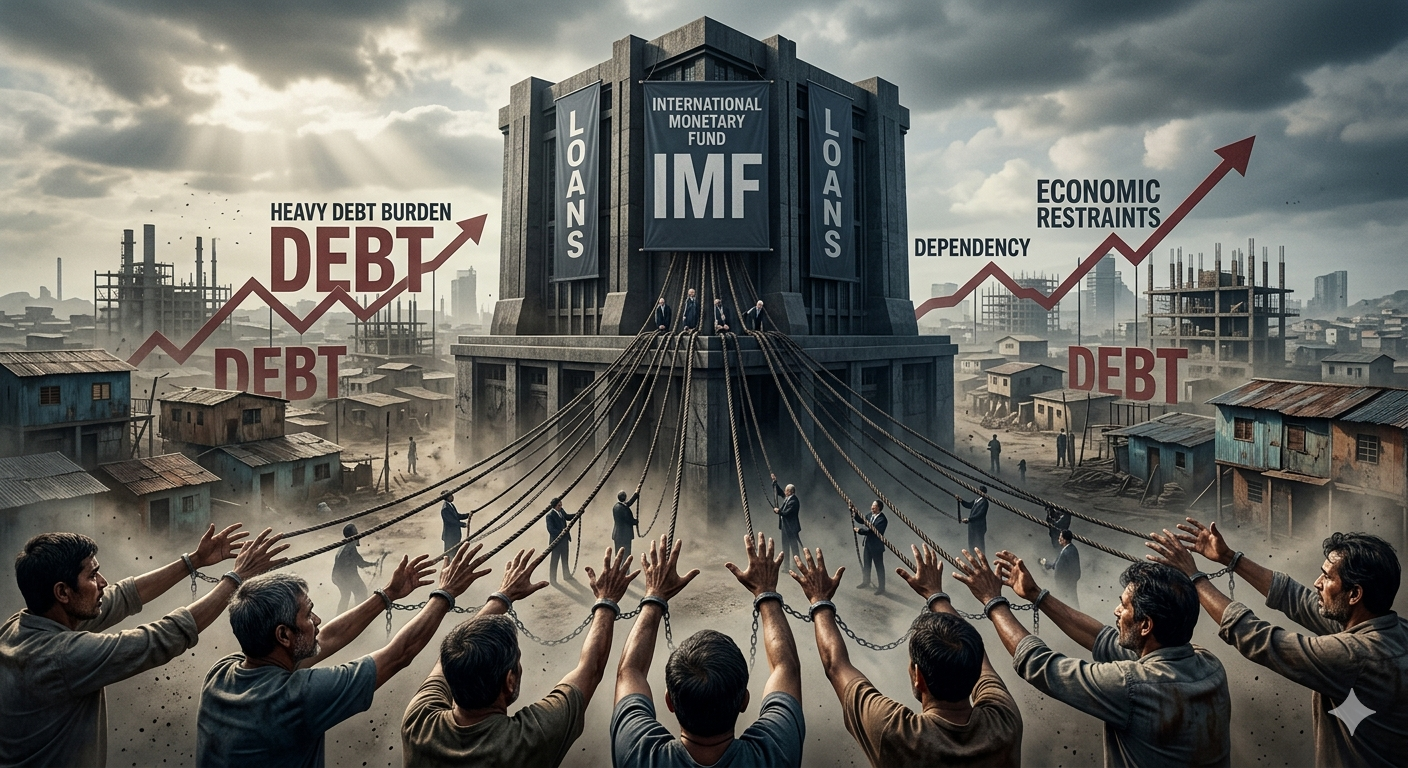
Currency Depreciation and Economic Instability
Currency depreciation is another major challenge affecting developing economies. A currency loses value when it becomes weaker compared to foreign currencies.
Reasons cause to depreciation,
- Trade deficits
- Political instability
- Declining foreign investments
- Low foreign currency reserves
- Heavy external debt
- Weak export performance
When a currency weakens, imports become more expensive. Since many developing nations rely heavily on imported fuel, machinery, medicine, and food, prices rise rapidly throughout the economy.
Currency depreciation also increases the burden of foreign debt because loans borrowed in foreign currencies become more expensive to repay. Governments and businesses must spend more local currency to settle international payments.
Investors often lose confidence in unstable currencies. This leads to capital outflows, reduced investments, and slower economic activity. Central banks may increase interest rates to protect the currency, but high interest rates can reduce business expansion and consumer spending.
In severe situations, currency collapse may trigger banking crises, shortages of imported goods, and social unrest.
Unemployment and Lack of Economic Opportunities
High unemployment is one of the clearest signs of economic weakness. Many developing nations have rapidly growing populations, but their economies fail to create enough quality jobs.
Youth unemployment is especially concerning. Large numbers of educated young people graduate every year, yet job opportunities remain limited. This creates frustration, financial hardship, and social instability.
Several factors contribute to unemployment,
- Weak industrial development
- Limited technological advancement
- Poor investment environments
- Political uncertainty
- Low business confidence
- Inadequate education systems
Informal employment is also common in developing economies. Millions of people work in unstable jobs without legal protections, healthcare benefits, or stable incomes. These workers are highly vulnerable during economic crises.
Unemployment reduces economic productivity and government tax revenue. At the same time, governments must spend more on welfare programs and social support. This places additional pressure on national budgets.
A lack of opportunities also pushes many skilled workers to seek employment abroad, contributing to another major issue known as brain drain.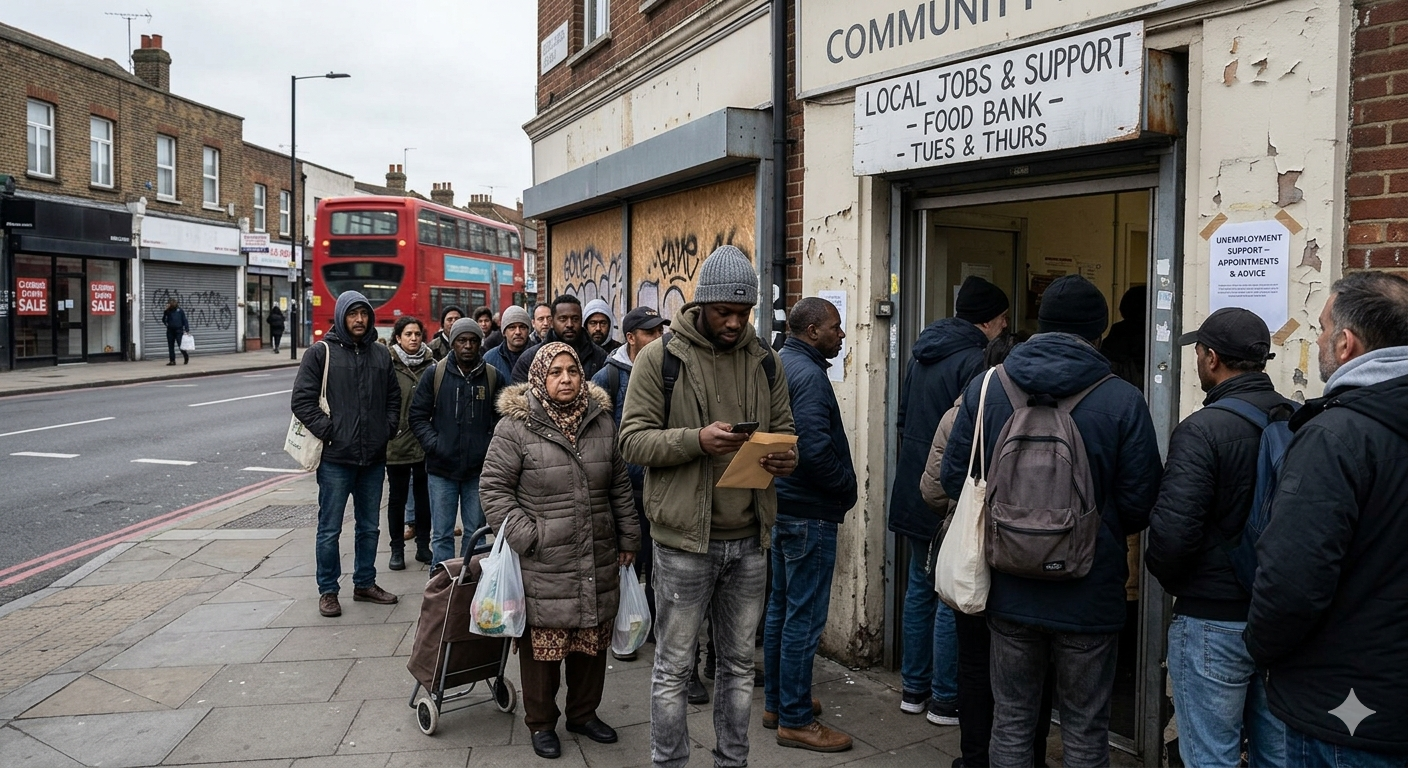
Brain Drain and the Loss of Skilled Workers
Brain drain refers to the migration of educated and skilled individuals from developing nations to wealthier countries in search of better salaries, working conditions, and opportunities.
Doctors, engineers, scientists, teachers, IT professionals, and researchers are among the most common groups leaving their home countries. This creates serious shortages in critical sectors.
Major reasons for drive brain drain,
- Low wages
- Political instability
- Lack of career growth
- Poor working conditions
- Economic uncertainty
- Weak research facilities
The loss of skilled workers weakens healthcare systems, educational institutions, and industrial development. Governments invest heavily in education, but the economic benefits are lost when talented individuals leave permanently.
Brain drain also slows innovation and technological advancement. Developing nations struggle to compete globally when their most qualified professionals migrate elsewhere.
Although migrant workers often send money back home through remittances, these financial benefits usually cannot fully replace the long term loss of human capital and expertise.
Food Insecurity and Agricultural Challenges
Food insecurity has become one of the most serious humanitarian and economic problems in developing nations. Millions of people face hunger or inadequate nutrition due to rising food prices, climate change, conflicts, and weak agricultural systems.
Agriculture remains a major source of employment in many developing economies. However, farmers face numerous challenges such as,
- Droughts and floods
- Rising fertilizer costs
- Poor irrigation systems
- Limited technology
- Weak market access
- Lack of financial support
Climate change has made food production more unpredictable. Extreme weather events destroy crops, reduce harvests, and increase food shortages.
At the same time, global supply chain disruptions and rising fuel prices increase transportation and production costs. Food imports become more expensive when local currencies weaken.
Food insecurity affects economic productivity because malnutrition weakens health and labor performance. Children suffering from poor nutrition often experience long term physical and educational disadvantages.
The combination of poverty, inflation, and food shortages can also lead to protests, political instability, and social unrest.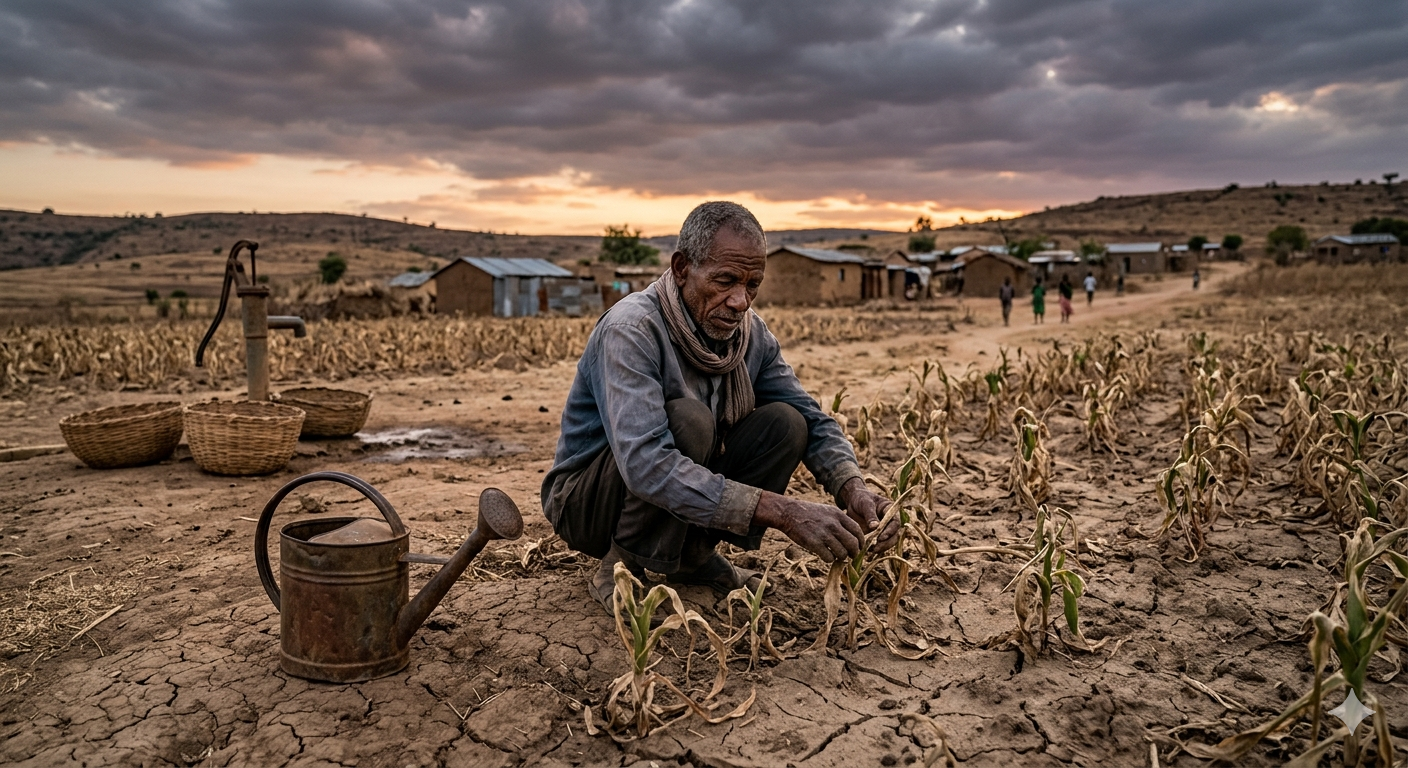
The Need for Sustainable Economic Reforms
Although the challenges are serious, developing nations can improve economic stability through long term reforms and sustainable development strategies.
Important solutions include,
- Strengthening local industries
- Investing in education and technology
- Improving agricultural productivity
- Reducing corruption
- Encouraging foreign investment
- Expanding renewable energy
- Supporting small businesses
- Creating employment opportunities
Economic diversification is also essential. Countries that depend heavily on a single export or sector are more vulnerable to global market changes.
Good governance, financial transparency, and political stability can increase investor confidence and promote long-term growth. Regional cooperation and fair international trade policies may also help developing economies recover more effectively.
At last, developing nations face complex economic struggles caused by inflation, debt, unemployment, currency depreciation, brain drain, and food insecurity. These problems are interconnected and often worsen each other, creating long-term economic instability.
While international assistance and financial support can provide temporary relief, sustainable development requires structural reforms, strong leadership, and investment in human capital. Economic recovery cannot happen overnight, but with proper planning, innovation, and global cooperation, developing nations can build stronger and more resilient economies for the future.
The economic struggles of developing countries are not isolated issues. They affect global trade, migration, political stability, and international development. Therefore, addressing these challenges is important not only for individual nations but also for the future stability of the entire world economy.