Sakura Flowers A Timeless Dance of Beauty Culture and Impermanence
When spring whispers its arrival, the world changes its colors. Cold winds soften, sunlight grows warmer, and nature prepares its grandest performance. Among all springtime wonders, Sakura flowers the delicate cherry blossoms stand unrivalled. Their pale pink petals bloom briefly, flutter in the wind, and disappear almost as quickly as they arrive. This fleeting beauty is precisely what makes Sakura so powerful, emotional, and unforgettable.
Sakura flowers are not just plants. They are a feeling, a philosophy, and a cultural heartbeat that has pulsed through centuries of human history. From ancient poetry to modern social media, from serene temple gardens to bustling city parks, Sakura continues to enchant hearts worldwide.
What Are Sakura Flowers?
Sakura refers to the flowers of cherry blossom trees, primarily belonging to the genus Prunus. While cherry trees are found worldwide, the term “Sakura” is most closely associated with Japan, where these blossoms hold profound cultural significance.
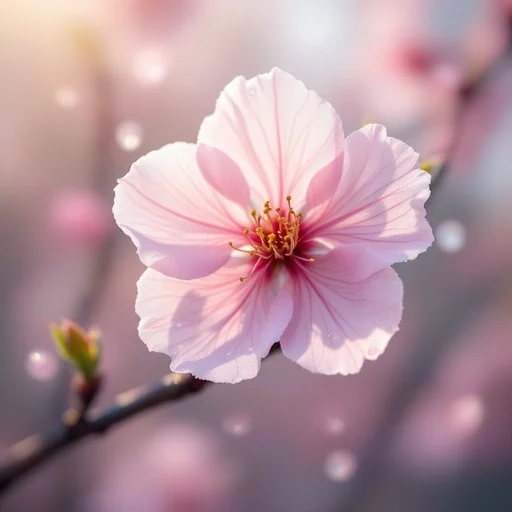
Unlike fruit-bearing cherry trees, most Sakura varieties are ornamental. They bloom with soft shades of pink and white, creating cloud-like canopies that seem almost unreal. The flowers typically bloom before the leaves emerge, giving them a clean, minimalist elegance.
Each blossom usually has five petals, though some cultivated varieties have many more, forming lush, layered blooms. Despite their beauty, Sakura flowers are fragile. Their lifespan is short—often only one to two weeks before petals fall like snow.
 The History of Sakura: Roots in Ancient Japan
The relationship between humans and Sakura flowers dates back more than 1,000 years. In Japan’s Heian period (794–1185), cherry blossoms became symbols of aristocratic beauty and poetic inspiration.
Early Japanese poetry collections, such as the Manyoshu, frequently referenced Sakura blossoms as metaphors for love, longing, and the passage of time. Emperors and nobles held blossom-viewing gatherings beneath flowering trees, composing poetry while drinking sake and admiring nature.
Over time, Sakura appreciation moved beyond the elite. Samurai embraced cherry blossoms as symbols of honor and mortality, seeing parallels between the short life of a blossom and the warrior’s acceptance of death. Thus, Sakura became woven into Japan’s cultural and spiritual identity.
Symbolism of Sakura Flowers
Impermanence (Mono no Aware)
At the heart of Sakura symbolism lies the concept of mono no aware an awareness of life’s impermanence. Sakura flowers bloom brilliantly, then vanish. This mirrors human existence: beautiful, fragile, and temporary.
Rather than sadness, this philosophy teaches appreciation. Because moments do not last, they matter more.
Renewal and Hope
Sakura bloom in spring, a season of rebirth. In Japan, the school year and business calendar begin in April, aligning personal milestones with cherry blossom season. For many, Sakura represents new beginnings and fresh hope.
Purity and Simplicity
The soft colors and gentle forms of cherry blossoms evoke purity and grace. Their understated beauty reflects traditional Japanese aesthetics, valuing simplicity over excess.
Hanami: The Art of Flower Viewing
One of the most beloved traditions associated with Sakura is Hanami, which means “flower viewing.”
During Hanami, families, friends, and coworkers gather under cherry trees in parks. They spread picnic mats, share food and drinks, and enjoy the blossoms together. Laughter fills the air as petals drift down like pink snow.
Hanami is not about perfection. It’s about presence being fully in the moment, knowing it will soon pass.
In the evening, Yozakura (night cherry blossoms) are illuminated by lanterns, creating a magical, dreamlike atmosphere.
Types of Sakura Flowers
There are over 600 varieties of cherry blossoms in Japan. Some of the most famous include:
Somei Yoshino
The most common variety
Pale pink, almost white
Blooms all at once, creating dramatic scenery
Yamazakura
Native, wild variety
Often found in mountains
Symbolizes traditional Japan
Shidarezakura (Weeping Cherry)
Gracefully drooping branches
Elegant and romantic appearance
Kanzan
Bright pink with many petals
Popular in gardens and parks worldwide
Each variety has its own personality, timing, and emotional tone.
Sakura Blooming Season
Cherry blossom season varies by location and climate.
Okinawa: January–February
Kyoto & Tokyo: Late March–early April
Northern Japan (Hokkaido): Late April–May
The bloom lasts only a short time, making timing crucial for travelers and photographers. Weather plays a major role rain, or strong winds can shorten the season dramatically.
This unpredictability adds to the magic. Sakura teaches patience, anticipation, and acceptance.
Sakura in Japanese Art and Literature
Sakura flowers appear endlessly in Japanese art forms:
Haiku and poetry
Woodblock prints (ukiyo-e)
Kimono patterns
Paintings and calligraphy
Poets often use cherry blossoms to express emotions that words alone cannot capture—love unspoken, memories fading, or quiet joy.
In literature, Sakura often marks emotional turning points: meetings, farewells, or moments of realization.
Sakura in Modern Culture
Today, Sakura continues to thrive in modern expression:
Anime and films use cherry blossoms to heighten emotional scenes
Fashion brands release Sakura-themed collections
Social media floods with blossom photography every spring
Despite technological progress, Sakura remains relevant because it speaks to something timeless the human heart.
Global Influence of Sakura Flowers
Japan has gifted cherry trees to many countries as symbols of friendship.
One of the most famous examples is Washington, D.C., where thousands of cherry trees bloom each spring, attracting visitors from around the world.
Sakura festivals now exist in:
The United States
South Korea
Germany
Australia
India
The flower has become a universal symbol of peace, beauty, and renewal.
Traveling for Sakura: A Once-in-a-Lifetime Experience
Experiencing Sakura in person is unforgettable.
Imagine:
Walking along a river lined with pink petals
Visiting ancient temples framed by blossoms
Sitting quietly as petals fall around you
Popular Sakura spots include:
Kyoto’s Philosopher’s Path
Tokyo’s Ueno Park
Mount Yoshino in Nara
Traveling during Sakura season is not just sightseeing its emotional tourism.
Life Lessons from Sakura Flowers
Sakura teaches us powerful lessons:
Appreciate moments before they fade
Find beauty in simplicity
Accept change gracefully
Celebrate life, even when it’s brief
In a world obsessed with permanence, Sakura reminds us that impermanence is not a flaw it’s a gift.
Why Sakura Will Always Matter
Sakura flowers are more than a seasonal attraction. They are a mirror reflecting the human experience, beautiful, fragile, hopeful, and fleeting.
Every falling petal whispers a gentle reminder:
Live fully. Love deeply. Let go gracefully.
As long as humans seek meaning in nature, Sakura will continue to bloom not just on trees, but in hearts across the world.